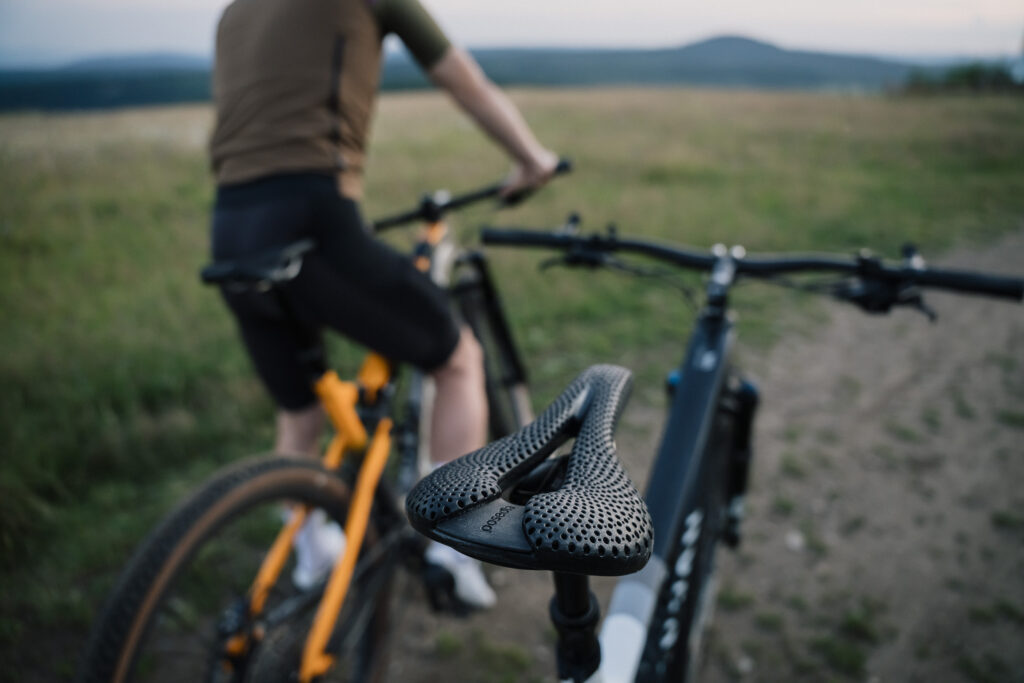
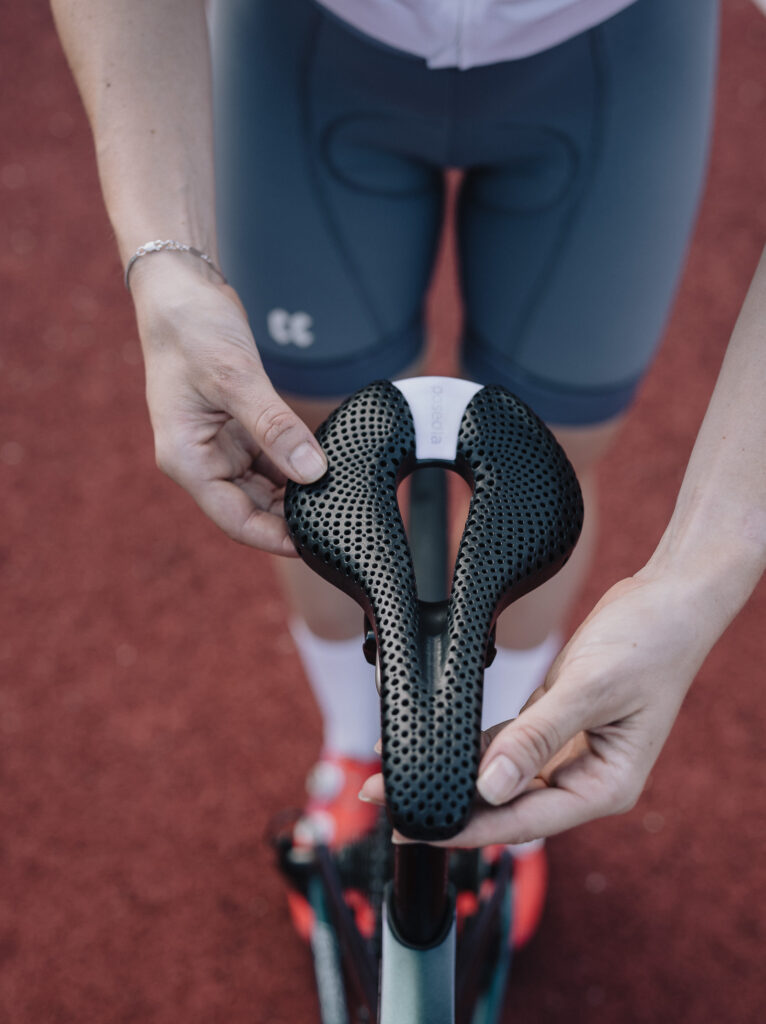
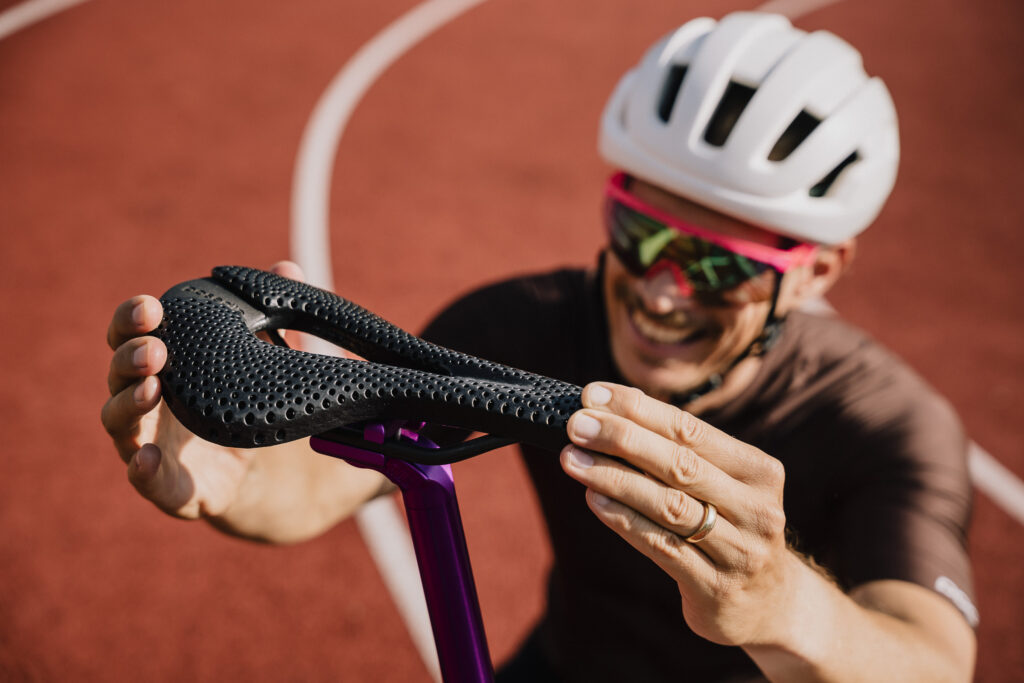
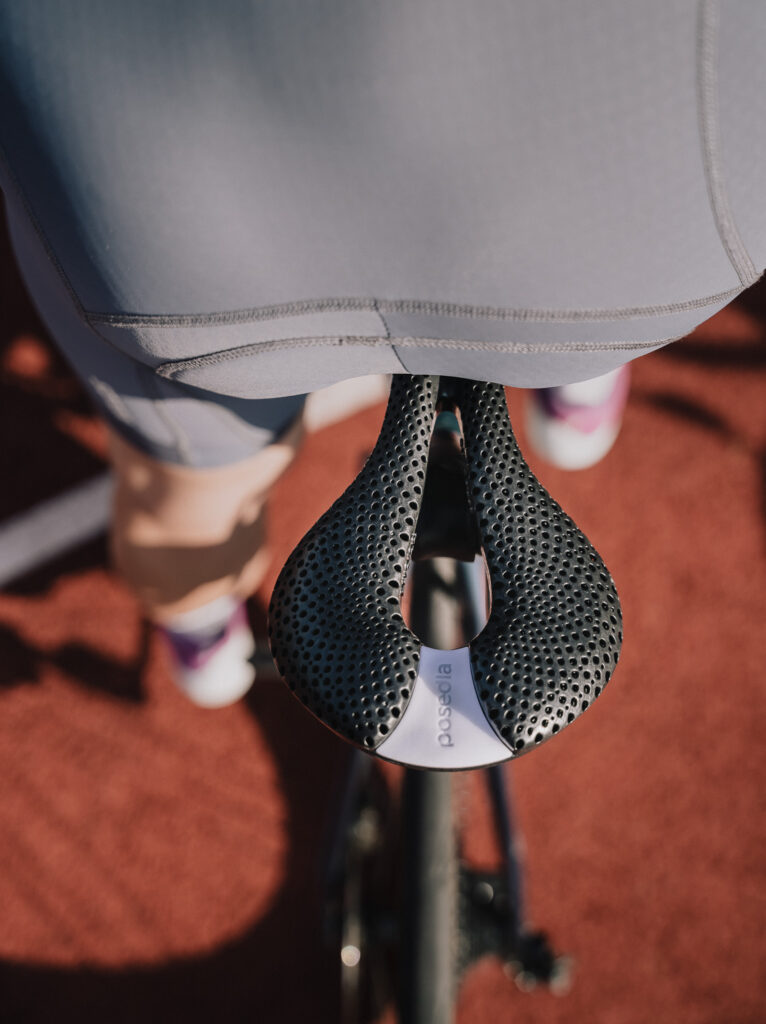
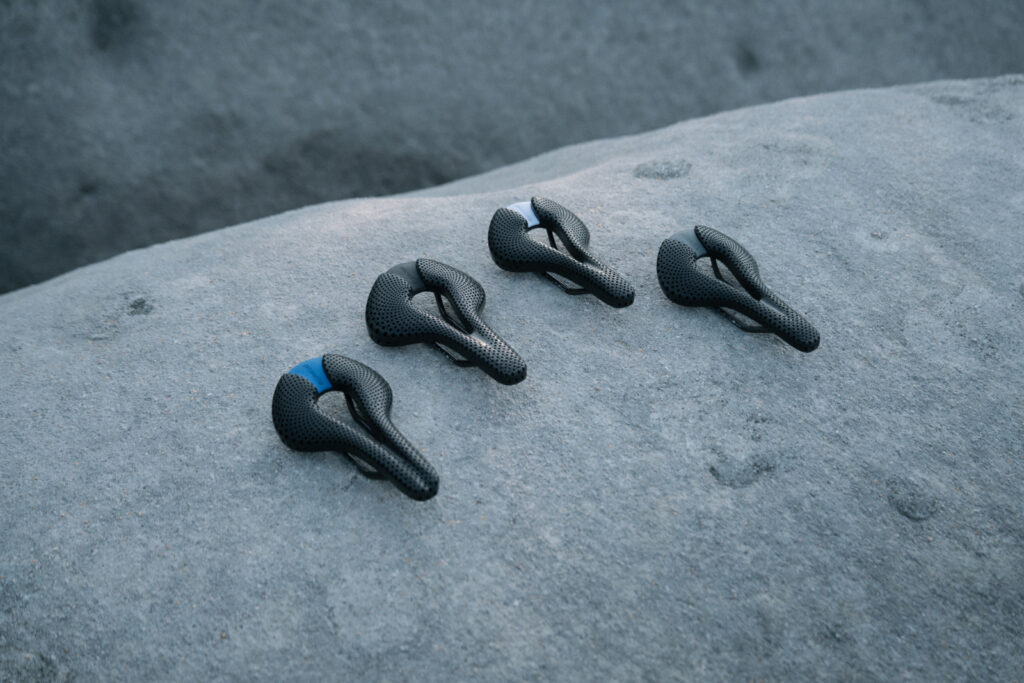
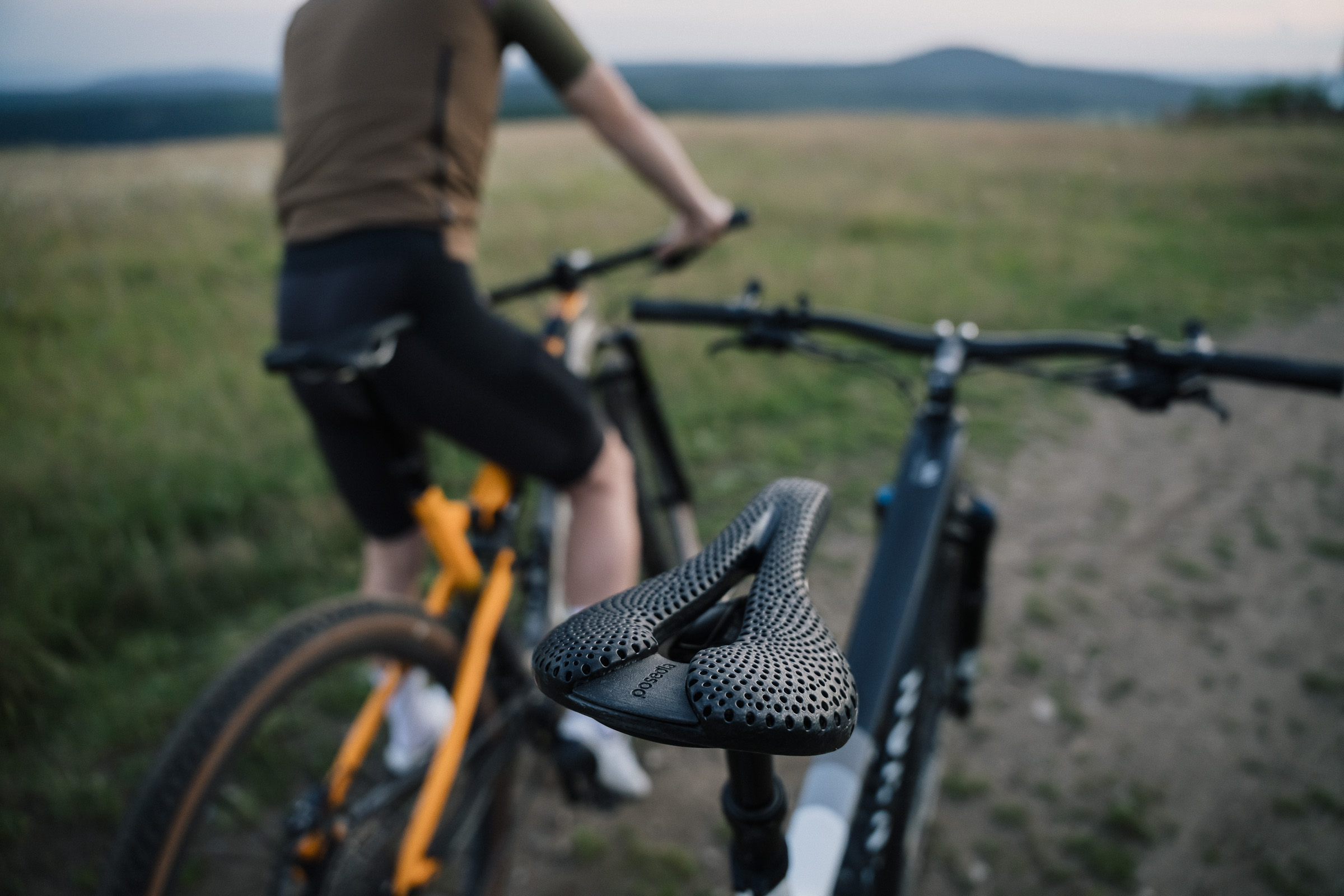
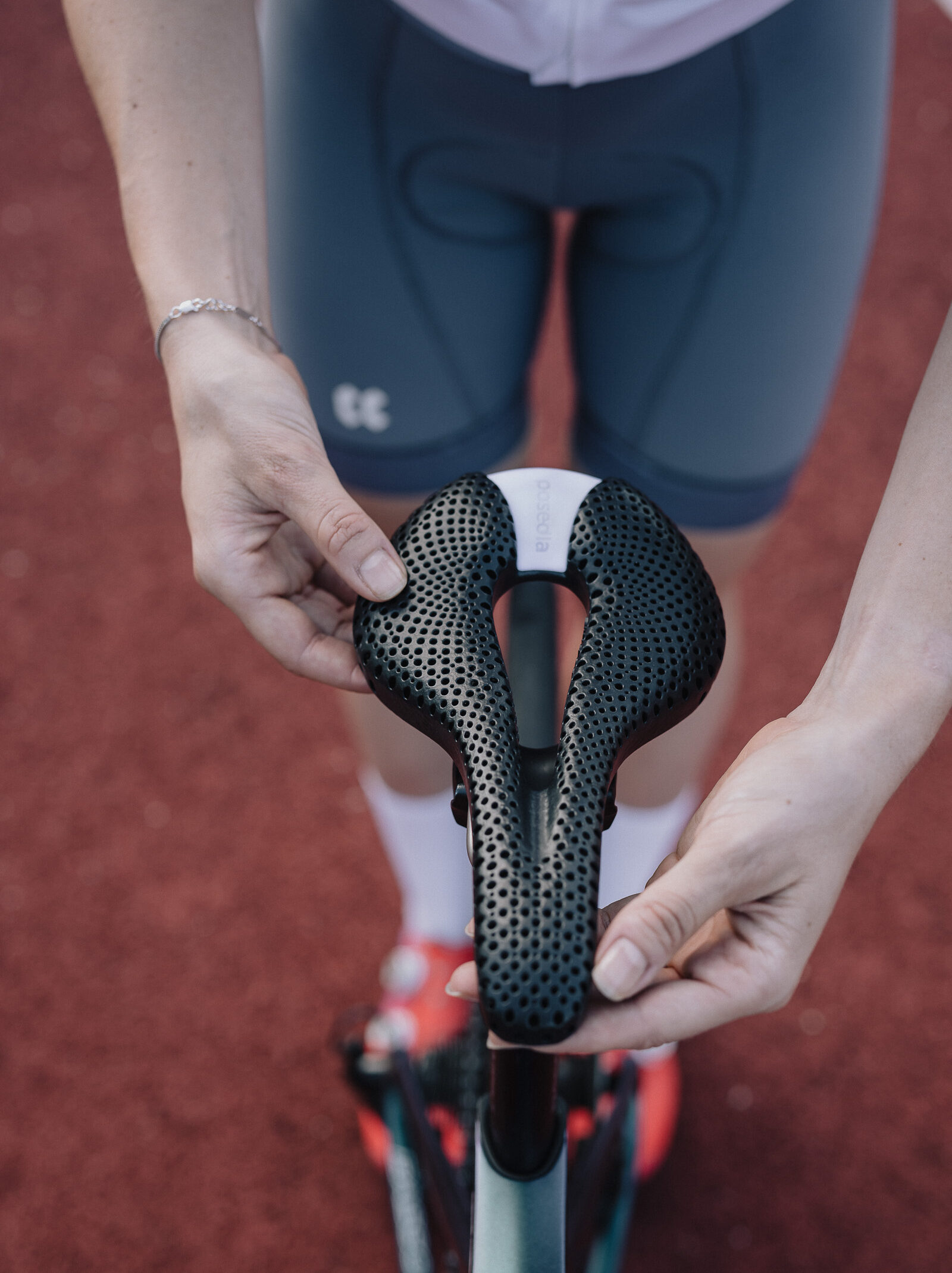
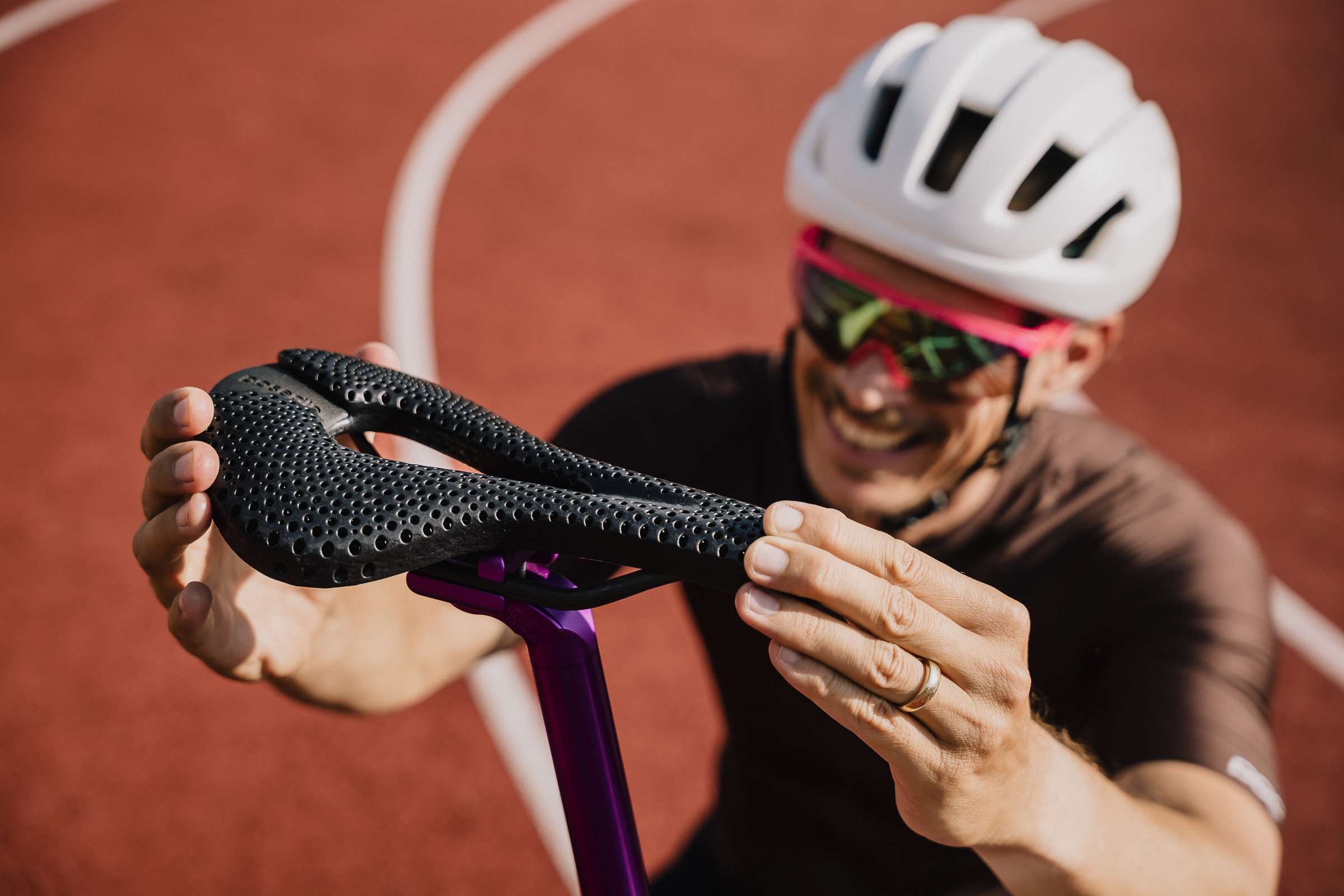
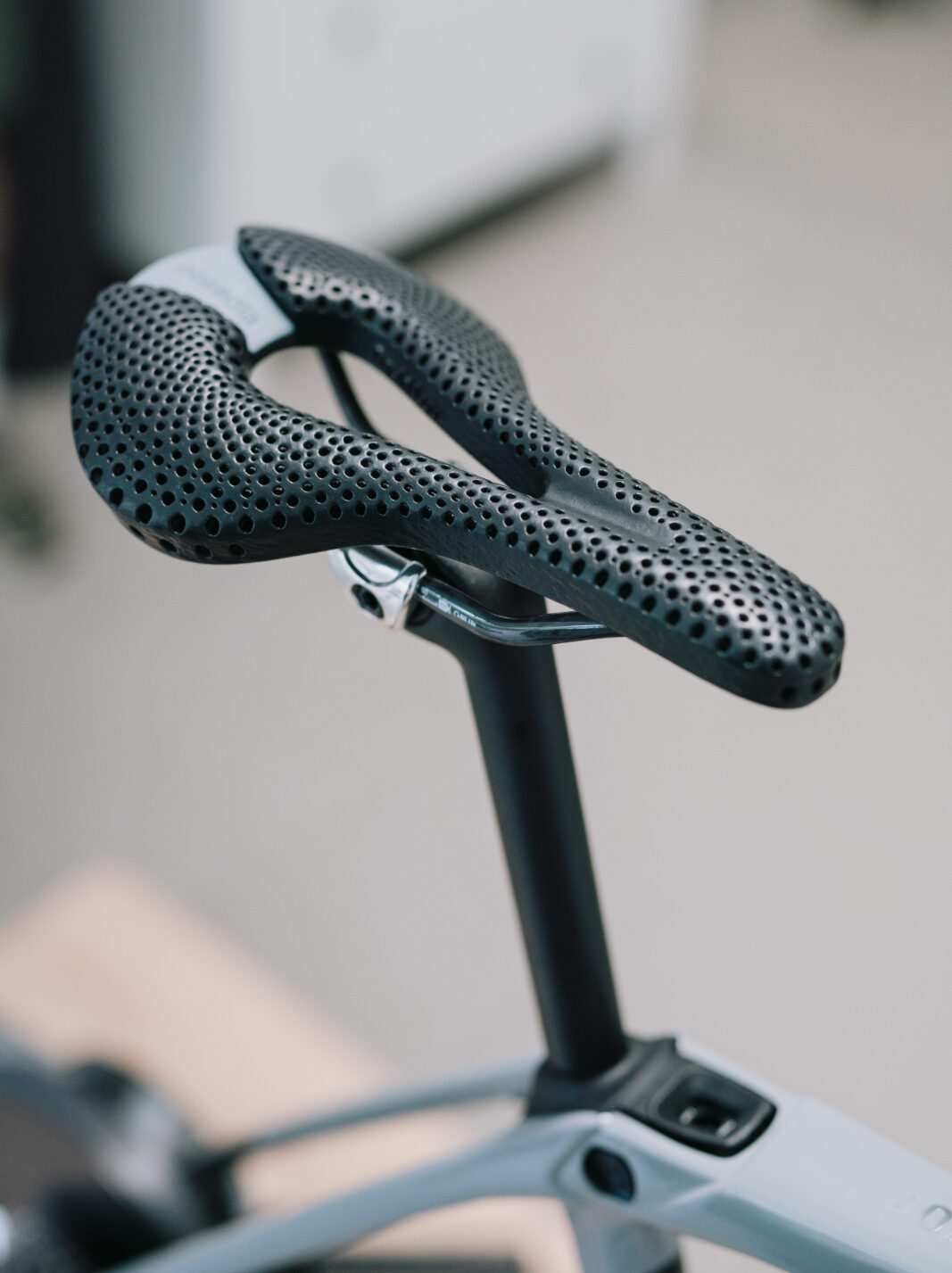
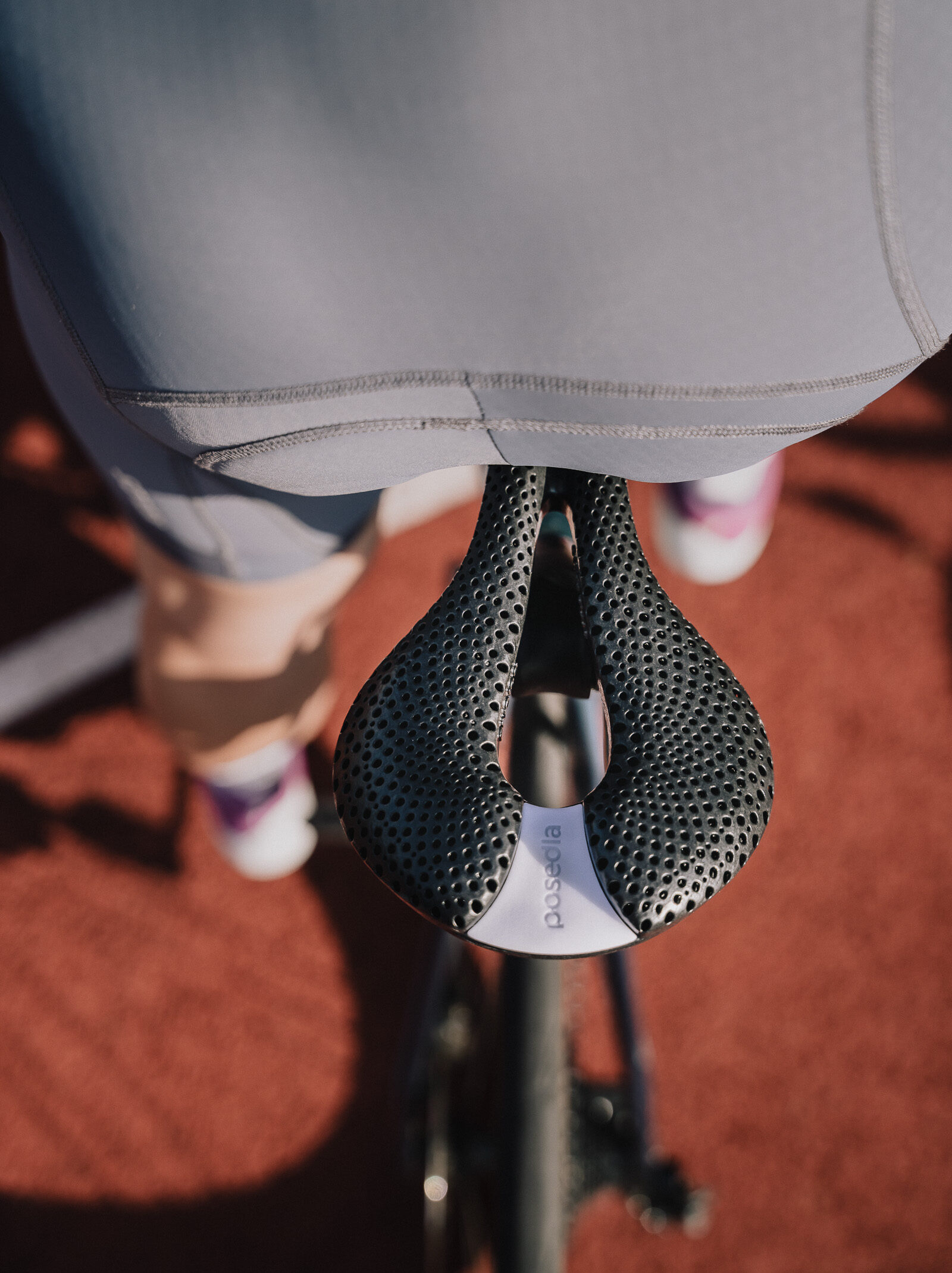
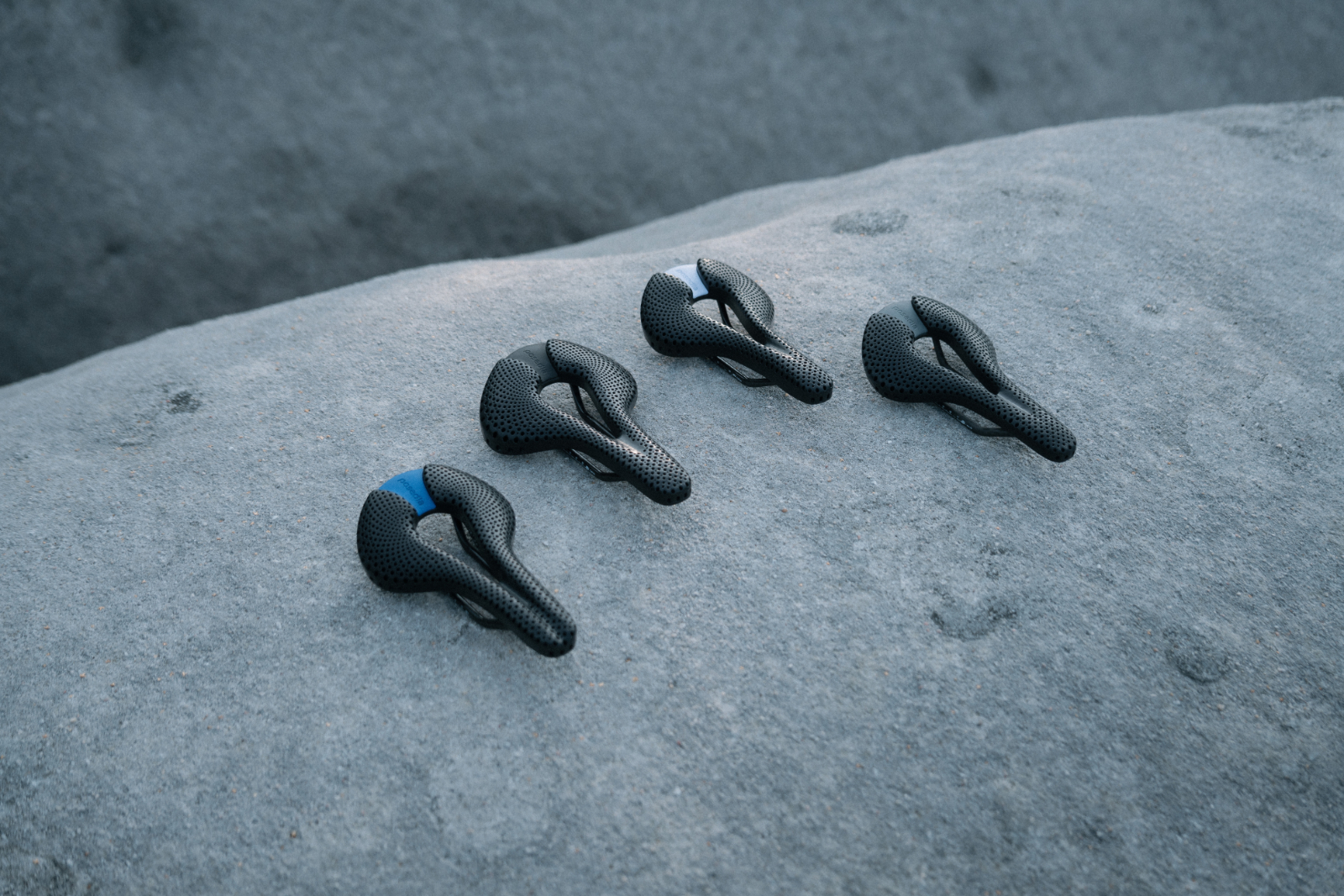
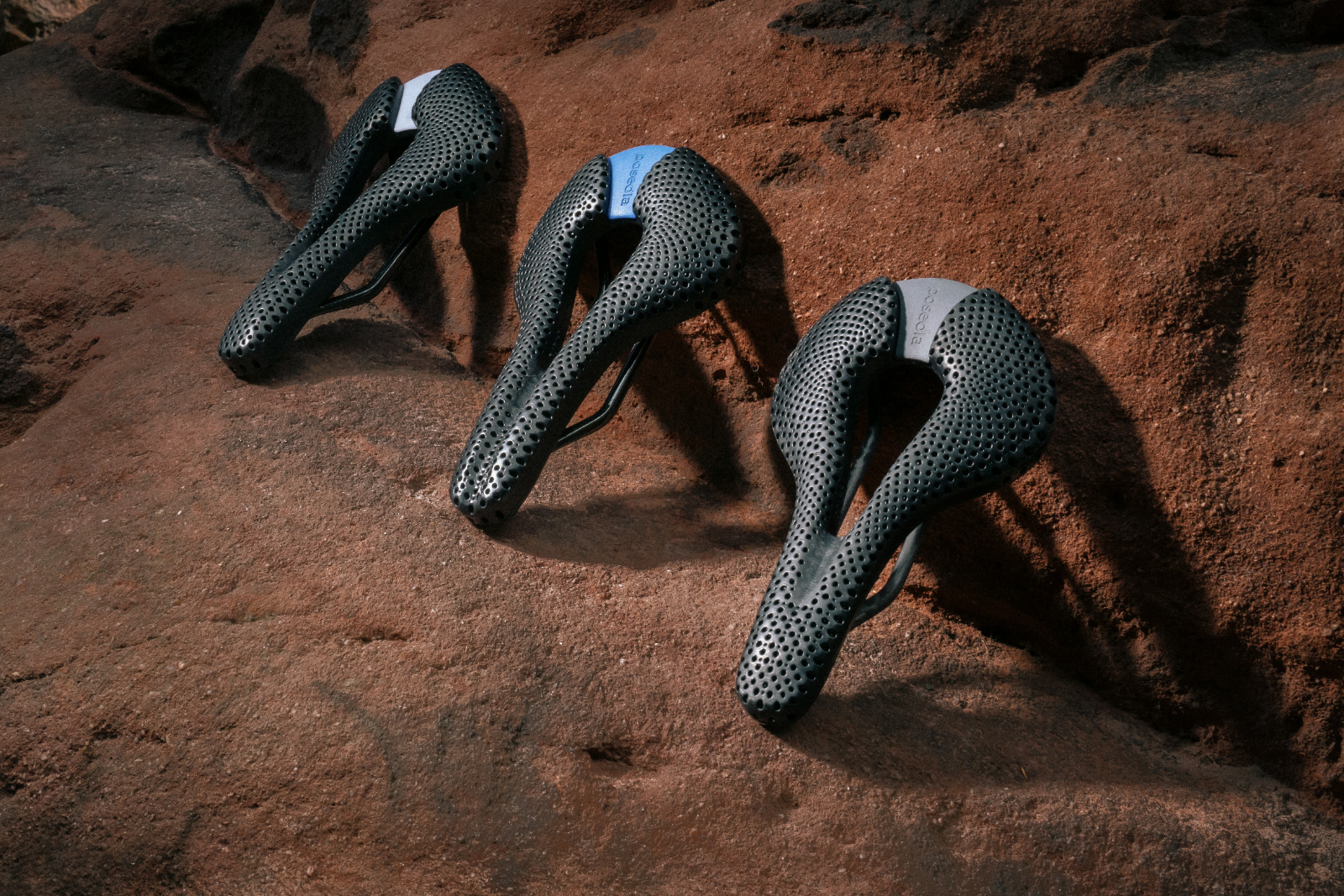
The Joyseat is a fully custom cycling saddle — 3D-printed to fit one rider’s body and riding style rather than a size chart. It grew out of a real frustration among cyclists: that the one part of the bike you’re always in contact with is still sold off the shelf. Posedla set out to fix exactly that.
Joyseat
The world's first fully custom 3D printed cycling saddle
Tailored Cycling Experience
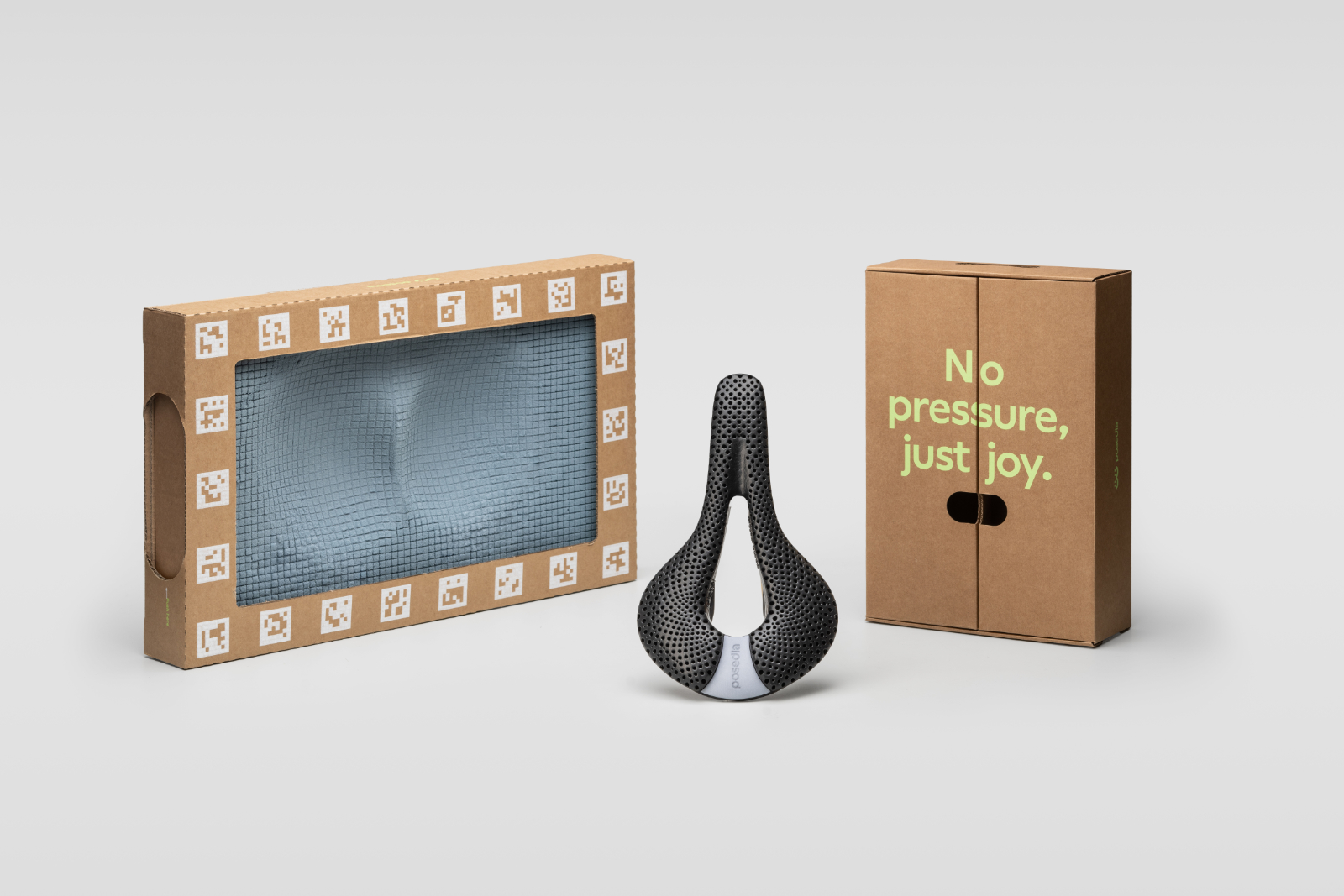
Every Joyseat is shaped to a rider’s own sit-bone structure and riding preferences — the world’s first fully custom 3D-printed saddle. Each one is built from three inputs: the rider’s physical imprint, their ride preferences, and the 3D-printing process that ties them together. After years of research and development, the saddle now ships to tens of markets worldwide.
Obsession Meets 3D Printing
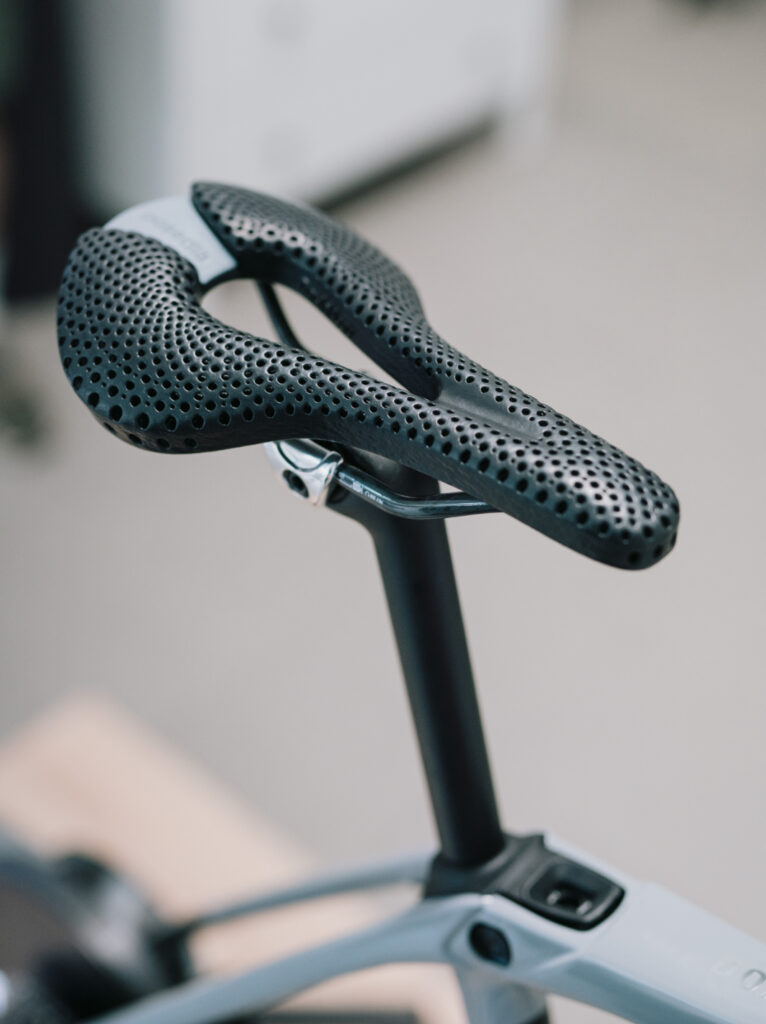
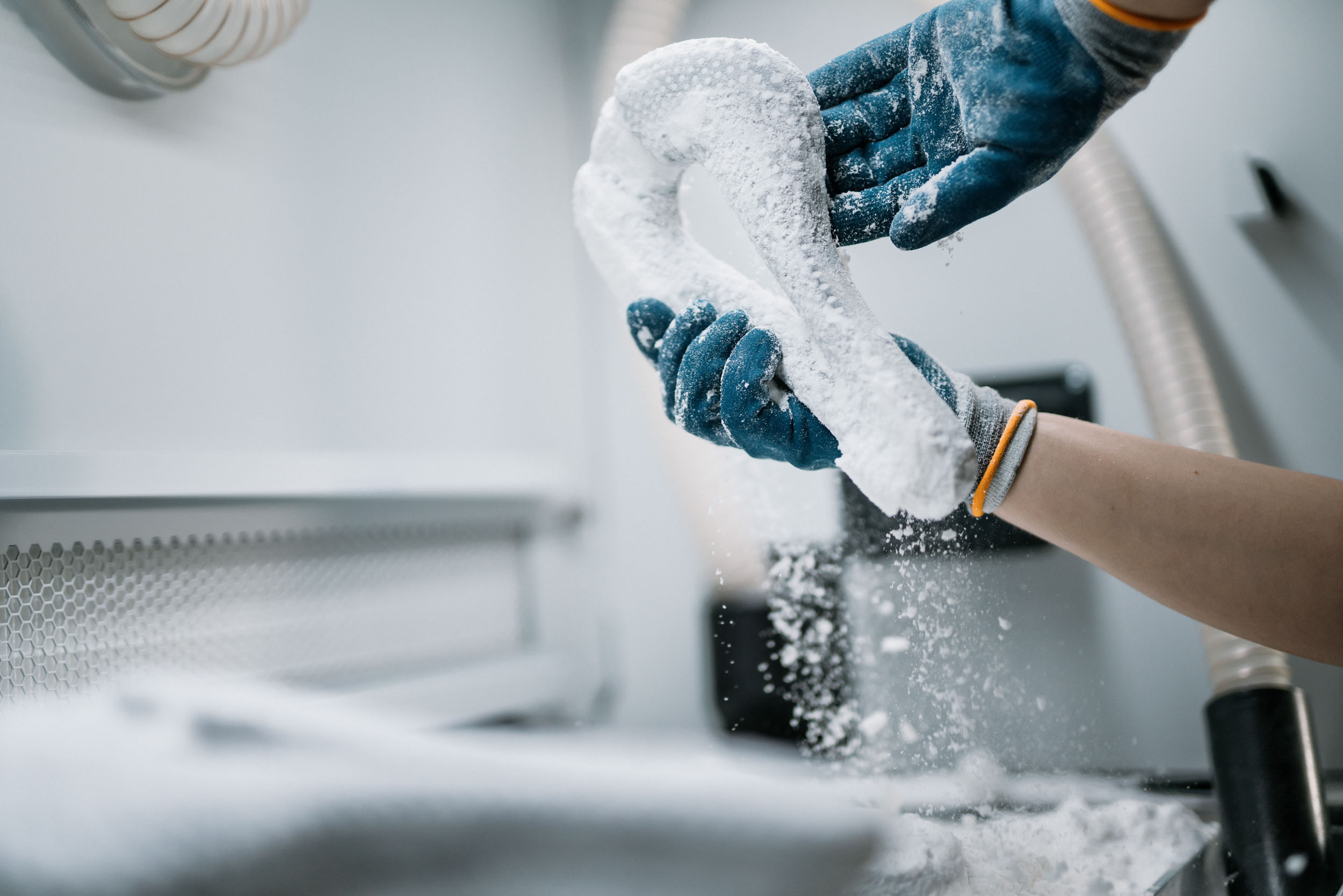
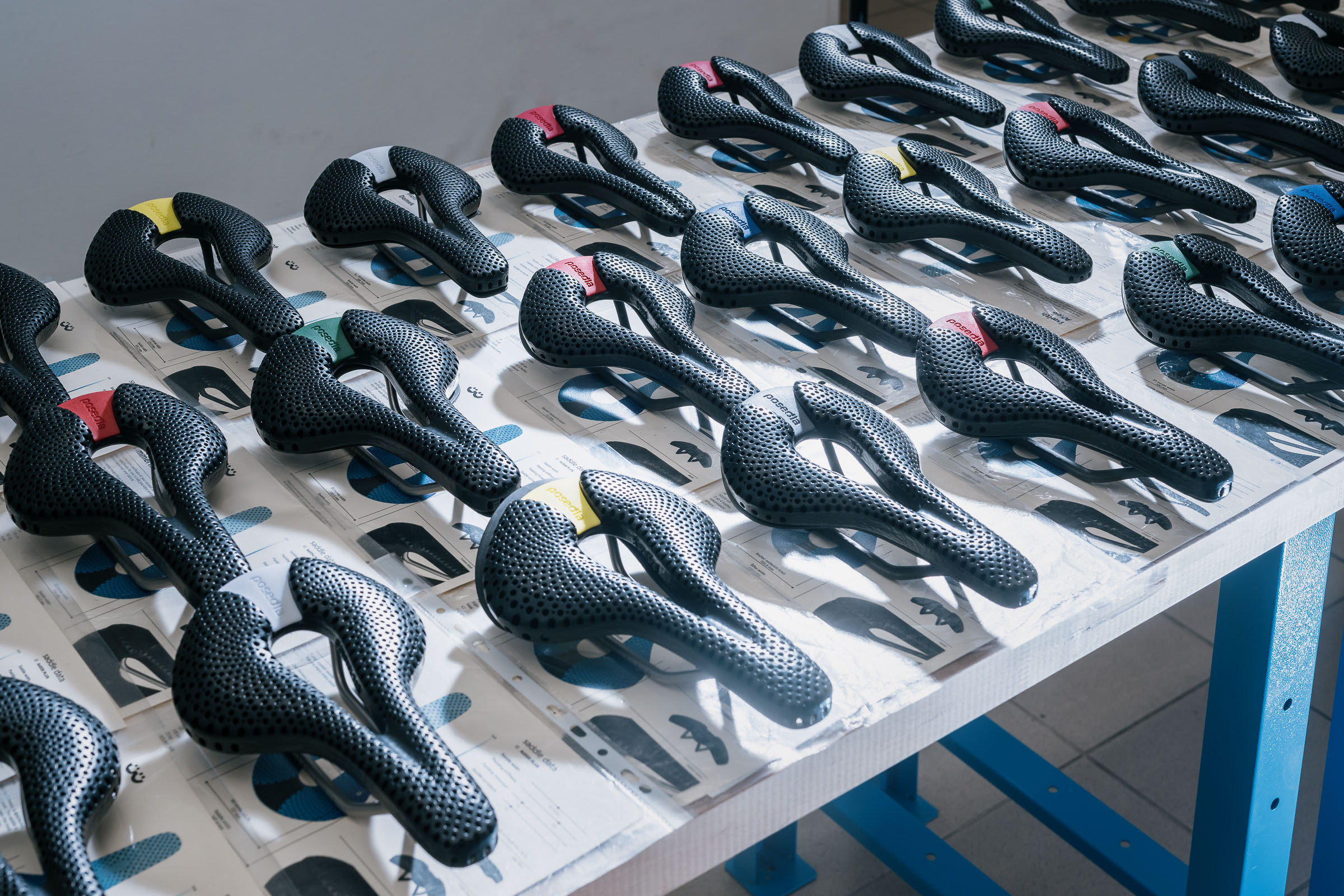
The algorithm at the heart of the saddle’s geometry birth turns each rider’s fit data into that variable lattice structure. The Joyseat is then printed with the HP Multi Jet Fusion 3D printer. This advanced technology fabricates a specific level of stiffcess across the lattice to match specific profile of each rider. Every unit is then proudly made in the Czech Republic.
The geometry behind the Joyseat saddle
The Joyseat cycling saddle is a team’s product — and its geometry is where I come in. As Posedla‘s Chief Computational Designer, I shaped the saddle and co-developed its flexible 3D-printed lattice, now protected by a patent. That design lives as a generative script — the engine that grows every single saddle from a rider’s data, and the core of every Joyseat saddle’s geometry.
My fingerprints reach beyond the algorithm — into the fitting kit, the mass-customization workflow, and the rails, jigs and fixtures that make a one-off saddle repeatable in the factory. It’s still going: I’m building software that reads a rider’s imprint photos to pinpoint their sit-bone spacing, and developing new saddle features.